FireRed Image Edit: The Complete Guide to AI-Powered Image Editing in 2026
Discover FireRed Image Edit, the open-source AI model for high-fidelity image editing. Learn features, setup, use cases, and how it compares to alternatives.
This article is in English. Right-click the page and select "Translate" to read in Chinese.
Introduction: A New Era of AI Image Editing
Image editing has traditionally required years of expertise in tools like Photoshop or GIMP. But what if you could transform, restore, or completely reimagine any image with a simple text instruction? That is exactly what FireRed Image Edit brings to the table.
Released in February 2026, FireRed Image Edit is a general-purpose AI image editing model that delivers high-fidelity, visually consistent results across a remarkably wide range of editing scenarios. Whether you need to add text to a book cover, restore a faded family photograph, or virtually try on a new outfit, this single model handles it all — and it does so as an open-source project under the Apache 2.0 license.
In this comprehensive guide, we will walk you through everything you need to know about FireRed Image Edit: its core capabilities, how to get started, real-world use cases, benchmark performance, and how it stacks up against both open-source and commercial alternatives. If you are a designer, developer, content creator, or simply someone curious about the cutting edge of AI, read on.
What Is FireRed Image Edit?
FireRed Image Edit is a general-purpose image editing model developed by the FireRed Team (also known as the Super Intelligence Team). Unlike narrow models that excel at only one type of edit — say, background removal or style transfer — FireRed Image Edit is designed to handle virtually any editing instruction you throw at it.
At its core, the model is built upon an open-source text-to-image (T2I) foundation model and then endowed with editing capabilities through a carefully designed training pipeline consisting of Pretrain, Supervised Fine-Tuning (SFT), and Reinforcement Learning (RL). This approach is backbone-agnostic, meaning it can theoretically be applied to other T2I architectures in the future.
The current version, FireRed-Image-Edit-1.0, is based on the Qwen-Image backbone for better community support and compatibility. The model weights are publicly available on both HuggingFace and ModelScope.
Key takeaway: FireRed Image Edit is not just another filter app. It is a research-grade, instruction-following editing model that understands natural language prompts and applies complex, context-aware transformations to your images.
Key Features of FireRed Image Edit
What sets FireRed Image Edit apart from the growing crowd of AI editing tools? Here are the standout capabilities:
1Strong Editing Performance
FireRed Image Edit delivers leading open-source results with three critical qualities:
- Accurate instruction following — the model closely adheres to your text prompt
- High image quality — outputs are sharp, artifact-free, and production-ready
- Visual coherence — edited regions blend seamlessly with the rest of the image
2Native Editing Capability from a Text-to-Image Backbone
Many editing models are retrofitted onto generation models as an afterthought. FireRed Image Edit takes a fundamentally different approach: editing capability is a first-class citizen baked into the model through the full Pretrain → SFT → RL pipeline. This results in more natural, contextually aware edits that feel less like a filter and more like the work of an experienced designer.
3Text Style Preservation
One of the most challenging aspects of AI image editing is handling text within images. Change the background of a poster, and most models will distort or destroy the text. FireRed Image Edit specifically addresses this, maintaining text styles with high fidelity — achieving performance comparable to closed-source, commercial solutions.
Particularly valuable for: marketing material modifications, book cover design iterations, signage and label editing, social media graphic adjustments.
4Photo Restoration
Got a faded, scratched, or damaged family photo from decades ago? FireRed Image Edit includes high-quality old photo restoration and enhancement capabilities. The model can:
- Remove scratches and damage artifacts
- Restore faded colors
- Enhance resolution and detail
- Reconstruct missing or damaged regions
5Multi-Image Editing
Perhaps the most exciting feature for creative professionals, FireRed Image Edit supports flexible editing across multiple images. The flagship application of this feature is virtual try-on — take a photo of a person and a photo of a garment, and the model realistically composites them together.
See It in Action: Before & After
Visual impact: see how FireRed Image Edit transforms images. Replace with your own Before/After assets for maximum effect.
Photo Restoration
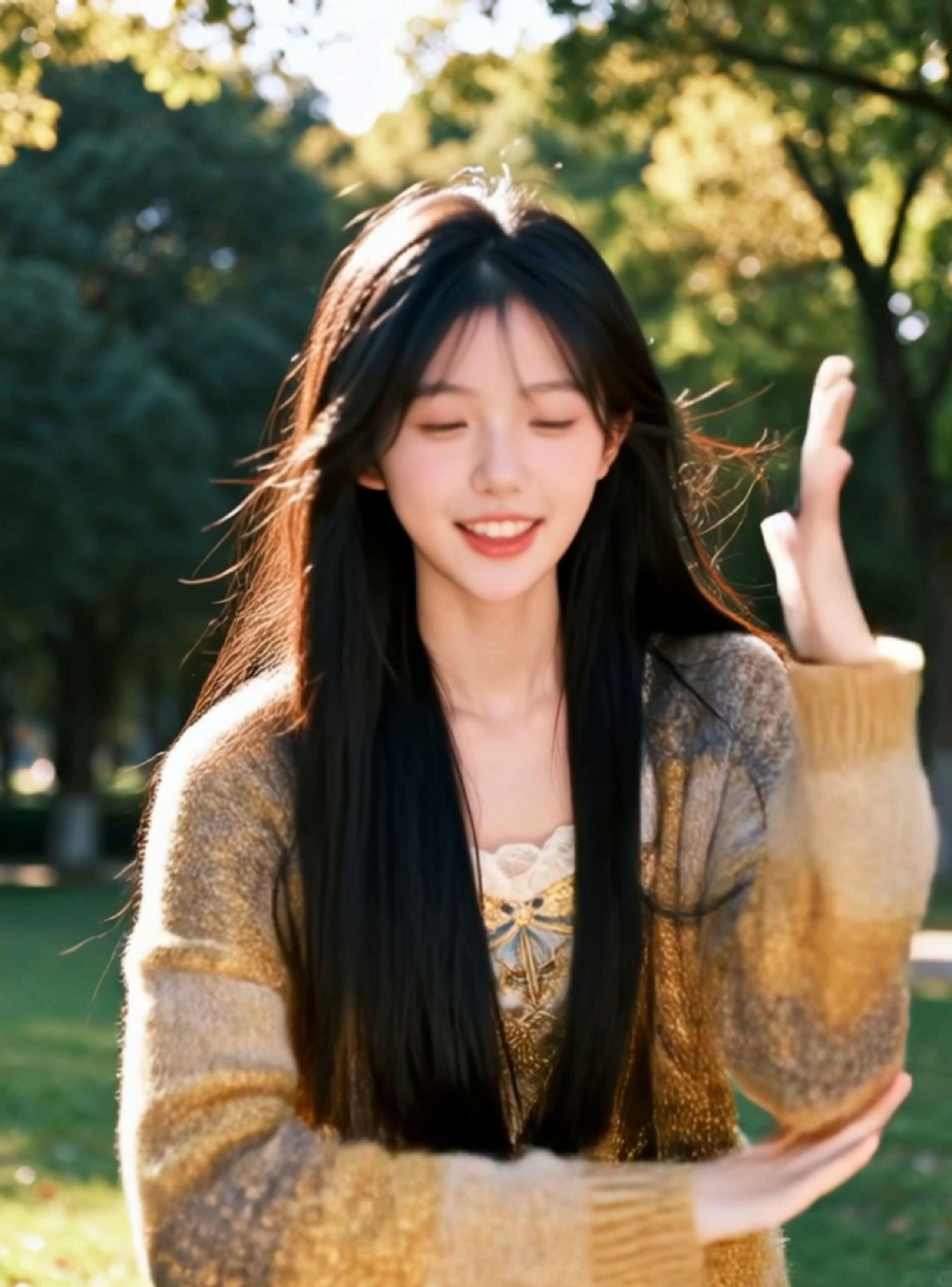
Before
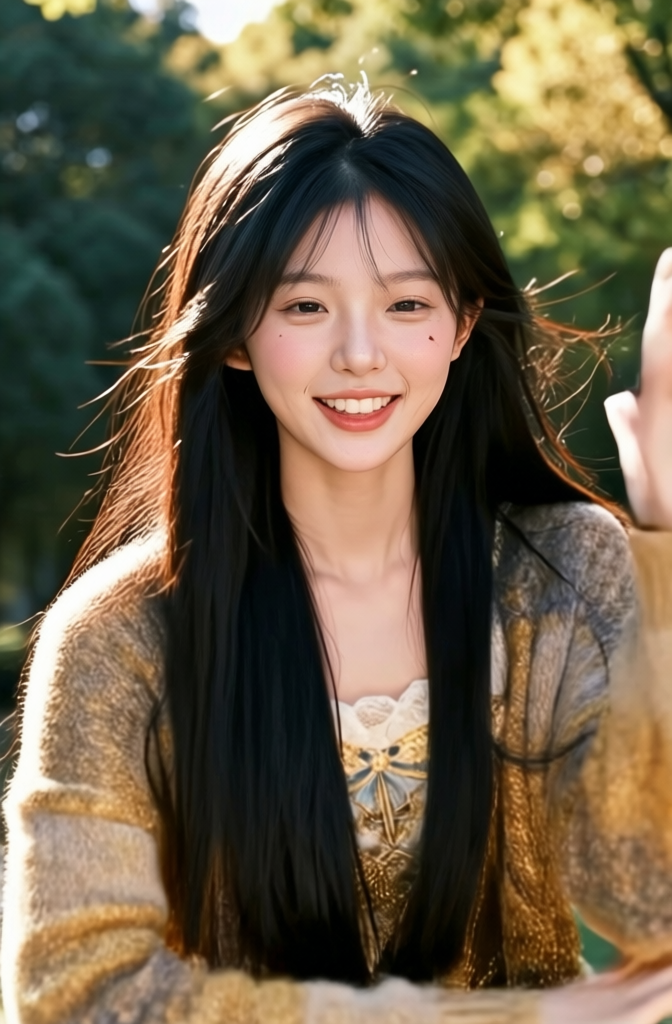
After
Photo restoration: remove damage, restore colors, enhance detail.
Typography & Text
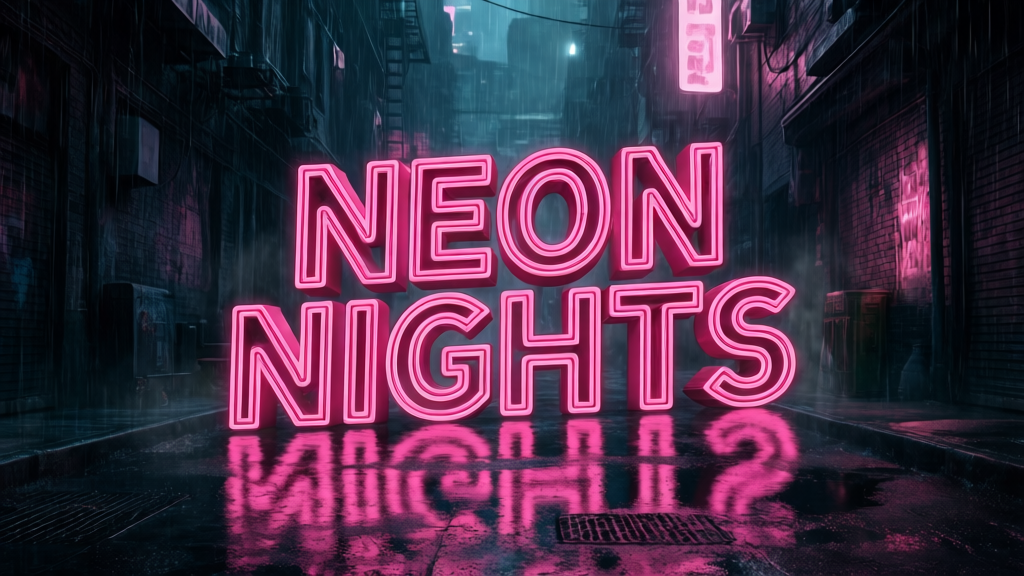
Before
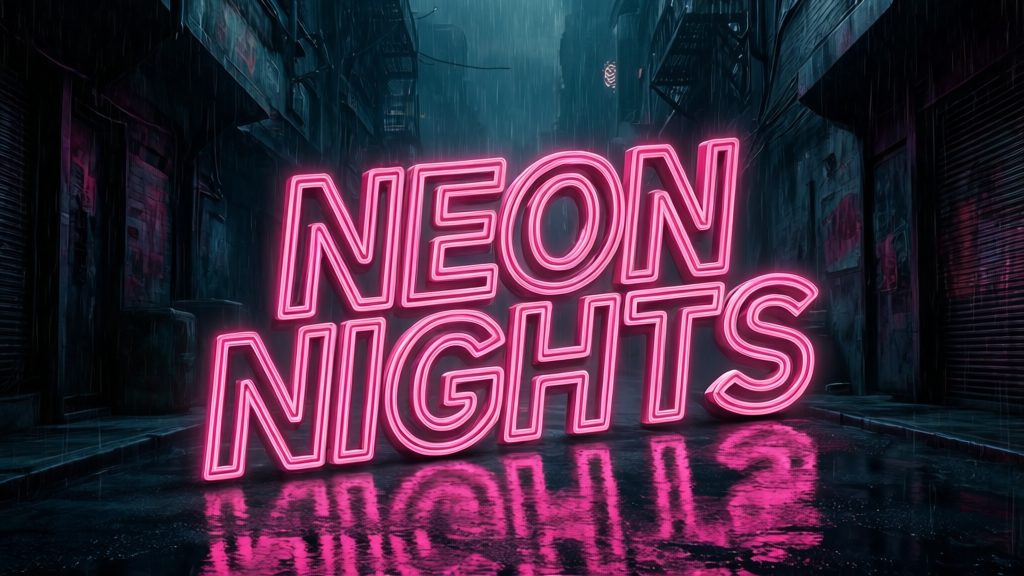
After
Typography: add or preserve text with correct style and perspective.
Virtual Try-On
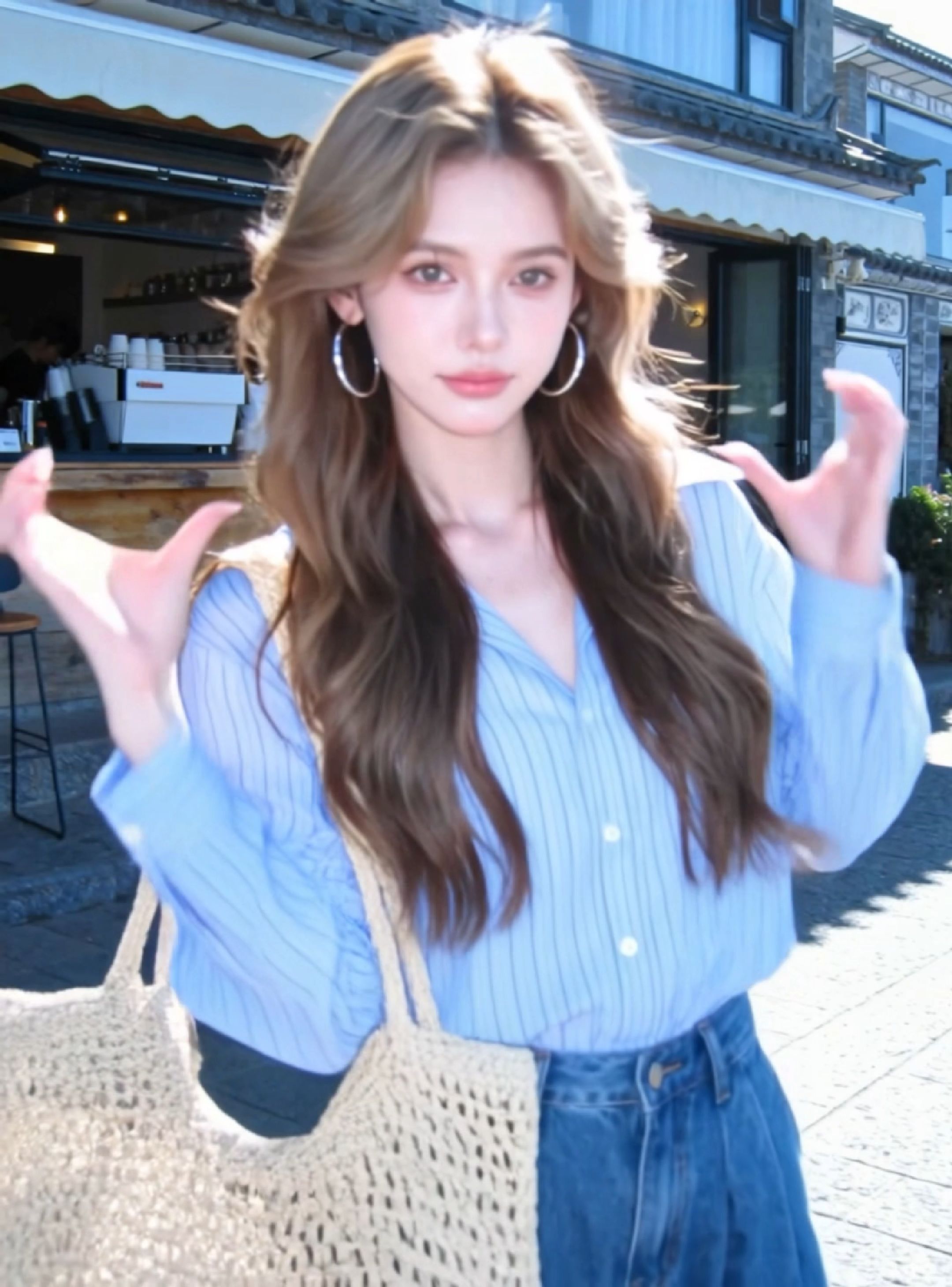
Before
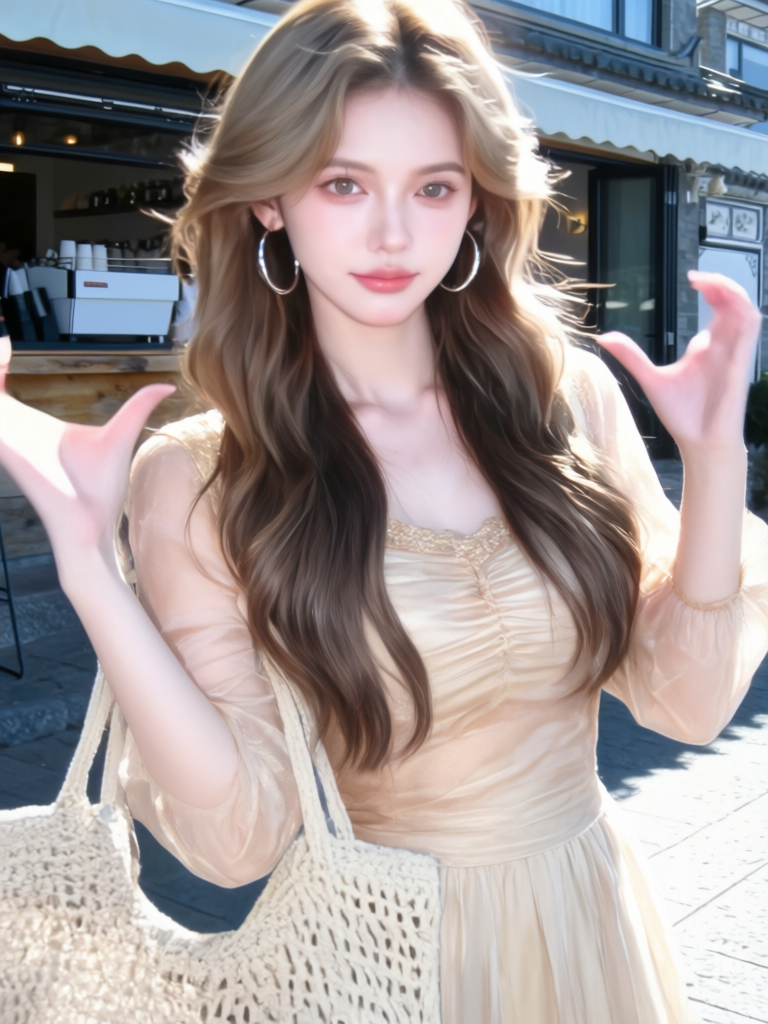
After
Virtual try-on: composite garment onto model with natural lighting.
How to Get Started with FireRed Image Edit
Turn complex prompting into a seamless, automated process. No machine learning degree required.
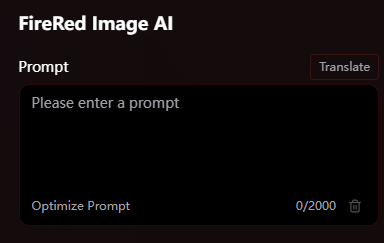
Step 1 of 3
Upload Your Core Assets
Start by uploading your base image or multiple reference images. FireRed Image natively supports up to 3 inputs, but utilizing our Agent workflow allows for even more. This could be a character's face, a specific product, a background plate, or a stylistic reference image.
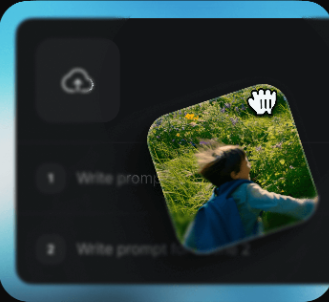
Step 2 of 3
Enter Your Vision (Let the Agent Do the Rest)
Type in your prompt. You can be as simple or as detailed as you like. If you're using multiple images, our Intelligent Agent kicks in. It automatically runs ROI detection, crops the images, and rewrites your prompt (expanding it up to 512 words) to ensure the AI perfectly understands the spatial relationships, lighting, and context required to blend the elements naturally.
Step 3 of 3
Generate, Refine, and Export
Hit generate and watch the magic happen in just 4.5 seconds. Review the output, tweak the text styling, apply portrait makeup LoRAs, or adjust the lighting. Once you are satisfied, export your high-resolution, commercial-ready image instantly and deploy it directly to your marketing channels.
Copy-Paste Prompt Templates
No need to write from scratch. Copy a template below, paste into the generator, and adjust to your assets.
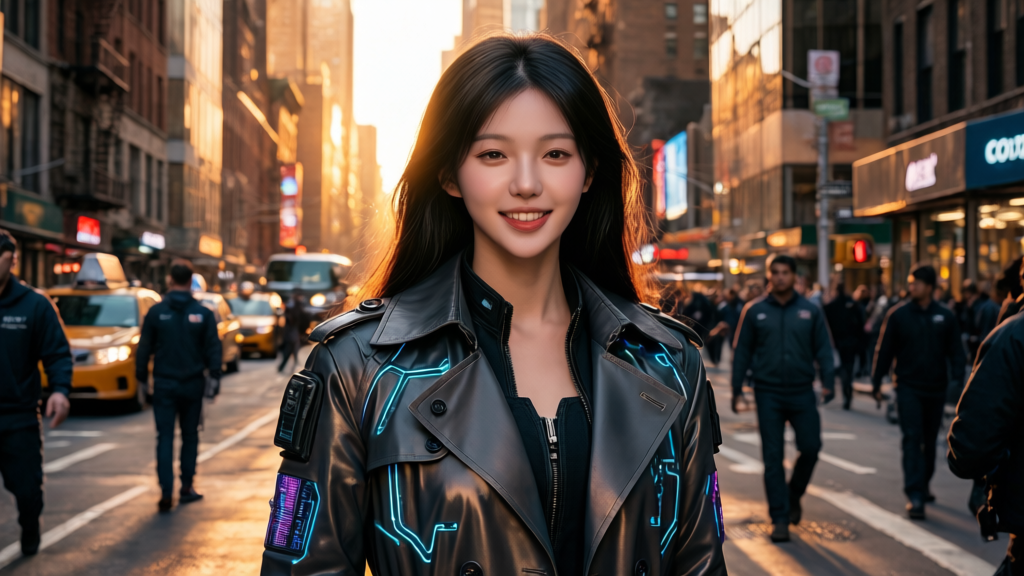
Place the model from [Upload 1] in a bustling New York street during golden hour. She is wearing a cyberpunk trench coat. Maintain 100% facial feature consistency and match the warm environmental lighting on her skin.
Generate a cinematic movie poster with a dark, rainy cyberpunk alleyway background. In the center, write "NEON NIGHTS" in glowing neon pink typography. Ensure the text has a 3D perspective and casts a pink reflection on the wet pavement.
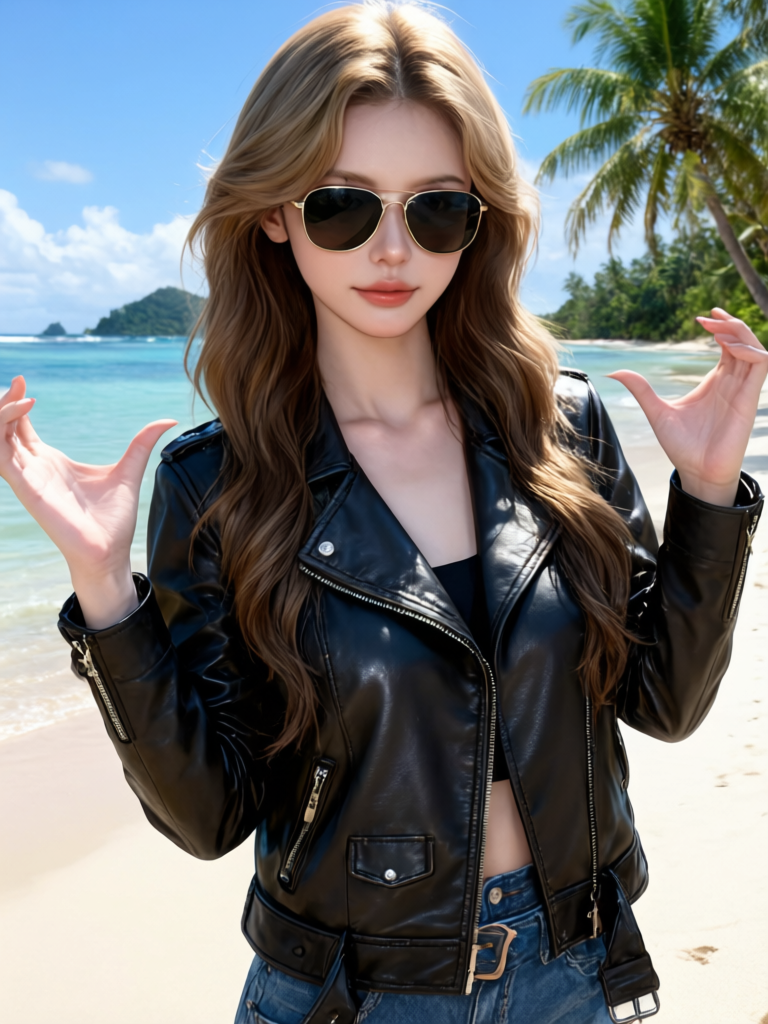
Use [Element 1: Model] as the main subject. Dress her in [Element 2: Leather Jacket] and have her wear [Element 3: Sunglasses]. Set the background to a serene tropical beach. Let the Agent auto-blend the edges, shadows, and lighting perfectly.
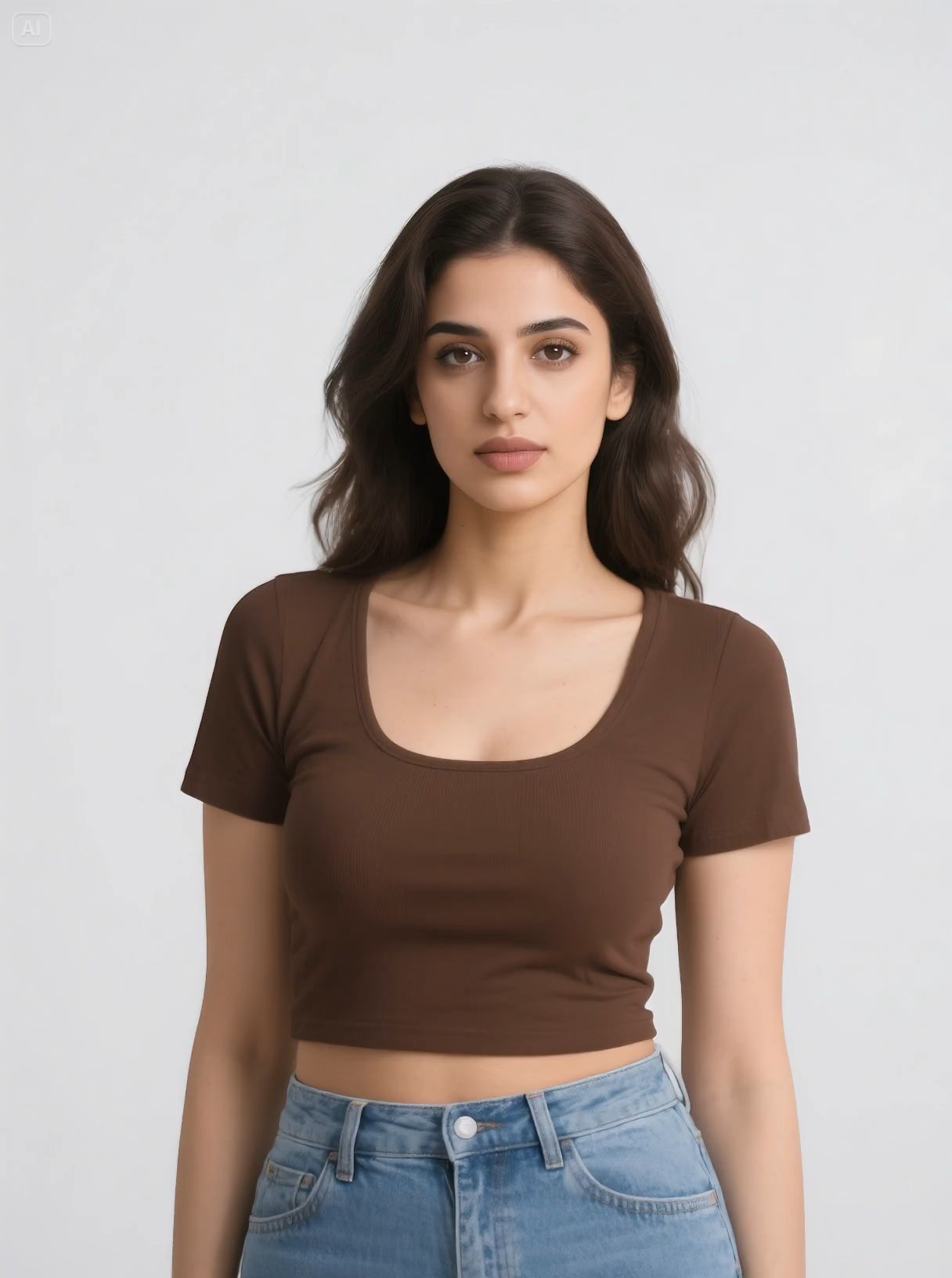
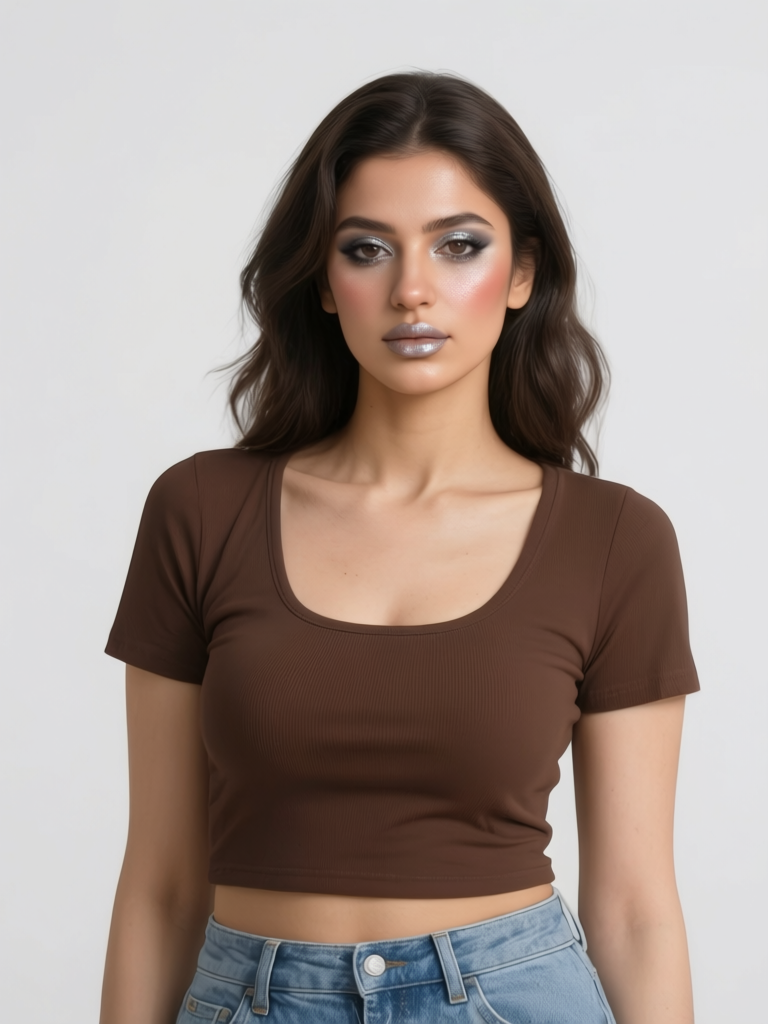
Apply a bold Y2K aesthetic makeup style to the uploaded model's face. Feature glittery silver eyeshadow and glossy lips. Preserve the original facial geometry, skin texture, and natural studio lighting.
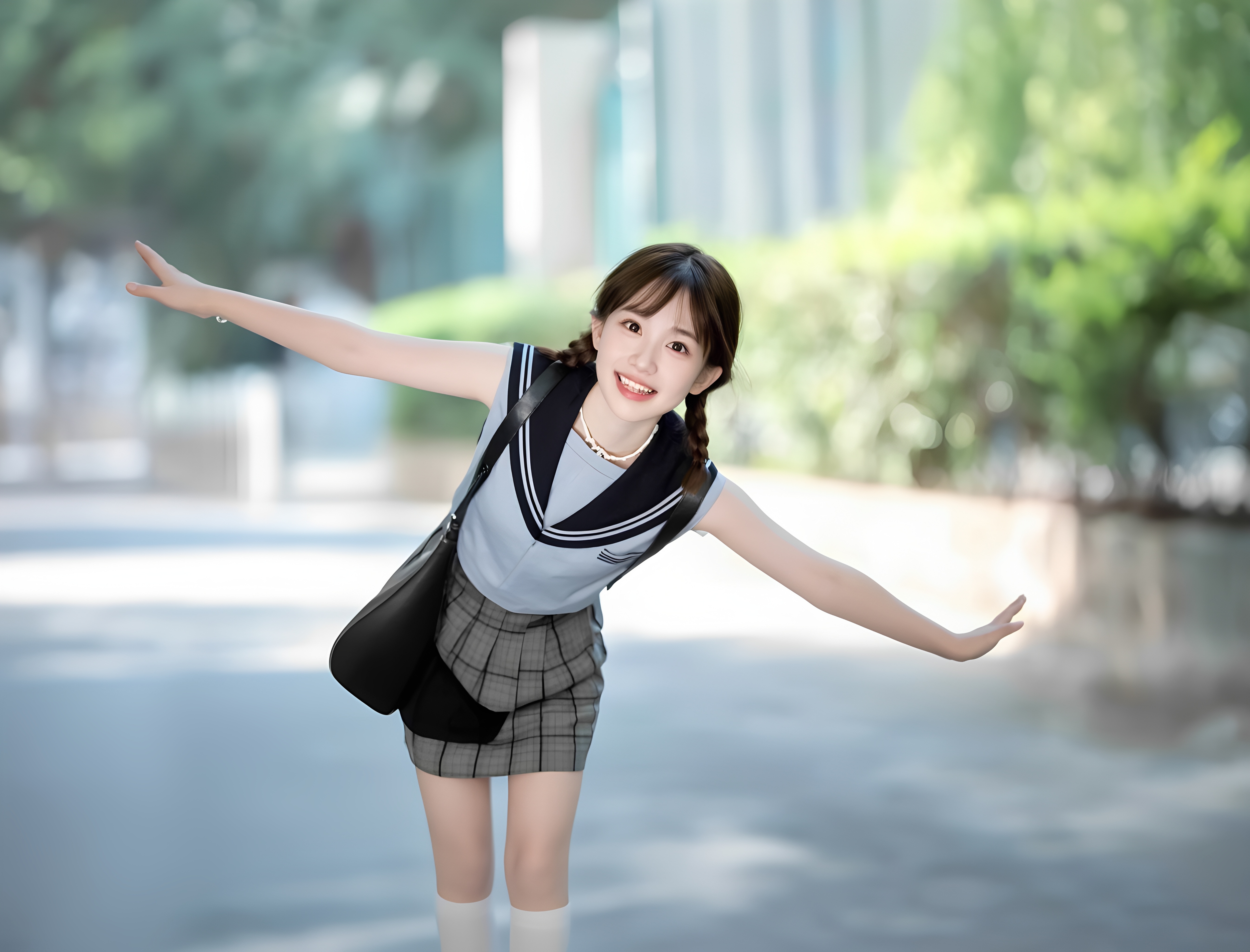
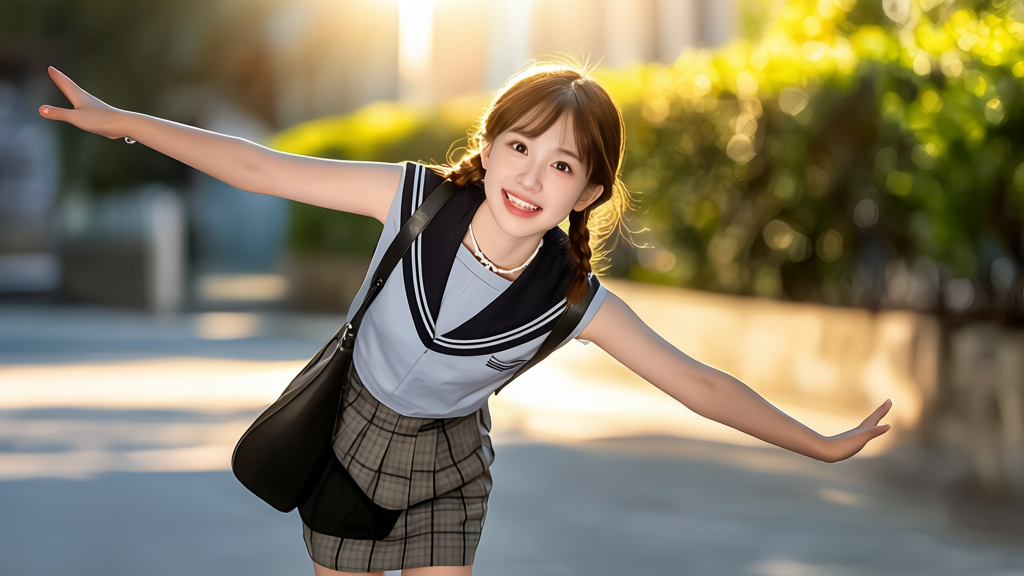
Increase the brightness of the sky, add warm golden tones to the sunlight, and sharpen the foreground details. Keep the subject's face and clothing unchanged.
Real-World Use Cases for FireRed Image Edit
Let us explore practical scenarios where FireRed Image Edit truly shines.
E-Commerce Product Photography
Online retailers often need to: change product backgrounds to white or lifestyle settings, add promotional text overlays, show products in different colors, create virtual try-on previews for apparel. FireRed Image Edit handles all of these with a single model, dramatically reducing the need for professional photo shoots or expensive editing software.
Content Creation and Social Media
Content creators can use FireRed Image Edit to: quickly iterate on thumbnail designs, modify existing images for different platforms, create variations for A/B testing, transform photos into different artistic styles.
Heritage and Archival Work
Libraries, museums, and families can use the photo restoration capabilities to: restore damaged historical photographs, enhance faded documents and images, reconstruct partially destroyed visual archives.
Design Prototyping
Graphic designers can rapidly prototype ideas by editing reference images with natural language: "Change the wall color to navy blue", "Replace the logo with a minimalist version", "Add a glass reflection effect to the table surface". This dramatically speeds up the ideation phase before committing to detailed manual work.
Benchmarks, comparison table, architecture, roadmap. Expand if you want the details.
Benchmark Performance
How does FireRed Image Edit actually perform against the competition?
REDEdit-Bench
Alongside the model, the FireRed team introduced REDEdit-Bench, a comprehensive new benchmark for evaluating image editing models.
| Metric | Detail |
|---|---|
| Source images | 3,000+ collected from the internet |
| Curated editing pairs | 1,673 after expert selection |
| Categories | 15 distinct editing categories |
| Languages | Bilingual (Chinese–English) |
State-of-the-Art Results
FireRed Image Edit achieves state-of-the-art performance among open-source models on three major benchmarks: ImgEdit (general image editing), GEdit (global editing quality), and REDEdit (the team's own comprehensive benchmark). More impressively, the model surpasses several closed-source competitors in specific dimensions, particularly in prompt following accuracy and visual consistency. These results have been corroborated by human evaluations.
FireRed Image Edit vs. Alternatives
| Feature | FireRed Image Edit | InstructPix2Pix | Adobe Firefly | DALL-E Edit |
|---|---|---|---|---|
| Open Source | ✅ Apache 2.0 | ✅ | ❌ | ❌ |
| Instruction Following | Excellent | Good | Excellent | Very Good |
| Text Preservation | Excellent | Poor | Good | Good |
| Photo Restoration | ✅ | ❌ | Limited | ❌ |
| Multi-Image / Try-On | ✅ | ❌ | ❌ | ❌ |
| Local Deployment | ✅ | ✅ | ❌ | ❌ |
| Cost | Free | Free | Subscription | Pay-per-use |
| Bilingual Support | Chinese + English | English | Multi-language | Multi-language |
Key advantages: the only open-source model that combines general editing, text preservation, photo restoration, and multi-image editing in one model; Apache 2.0 allows commercial use; local deployment keeps your images on your infrastructure.
Tips for Getting the Best Results
1. Be Specific in Your Prompts
Instead of vague instructions like "make it look better," provide precise, actionable descriptions.
❌ "Improve this photo" → ✅ "Increase the brightness of the sky, add warm golden tones to the sunlight, and sharpen the foreground details"
2. Use Seed Values for Iteration
The --seed parameter gives you reproducible results. Start with a specific seed, adjust your prompt, keep the same seed to see the effect of your prompt change in isolation. Once satisfied, try different seeds to explore variations.
3. Handle Text Edits Carefully
Mention the exact text you want to add or modify; specify the location relative to existing elements (e.g., "below the title", "in the bottom-right corner"); include style hints if needed (e.g., "in bold white font").
4. Leverage Multi-Image Capabilities
For virtual try-on and compositing, ensure reference images are well-lit and high-resolution, showing the subject from compatible angles, and free of heavy occlusions in the regions of interest.
The Technology Behind FireRed Image Edit
Training Pipeline
The model follows a three-stage training paradigm: Pretraining (the base T2I model learns fundamental generation and understanding), Supervised Fine-Tuning (SFT) on curated editing pairs, and Reinforcement Learning (RL) with human preference signals to refine output quality and instruction following. The pipeline is backbone-agnostic.
Architecture Highlights
- Foundation: Built on the Qwen-Image text-to-image model
- Framework: Compatible with the HuggingFace diffusers library
- License: Apache 2.0 (code and weights)
- Inference: Supports both local GPU deployment and cloud-based execution
What Is Coming Next? The FireRed Roadmap
- FireRed-Image-Edit-1.0 — the current general-purpose editing model (released)
- REDEdit-Bench — the comprehensive editing benchmark dataset (coming soon)
- FireRed-Image-Edit-1.0-Distilled — a distilled, faster version optimized for few-step generation
- FireRed-Image — a standalone text-to-image generative model
Frequently Asked Questions
Is FireRed Image Edit free to use?
Yes. The model weights and code are released under the Apache 2.0 license, which permits free use for both personal and commercial purposes.
What hardware do I need to run FireRed Image Edit locally?
A CUDA-capable NVIDIA GPU is recommended. For optimal performance, an RTX 3090 or better with at least 24GB of VRAM is suggested. The model can also run on cloud GPU instances (e.g., Google Colab, RunPod, AWS).
Can I use FireRed Image Edit for commercial products?
Yes, the Apache 2.0 license explicitly allows commercial use. You should review the ethics statement and ensure your use case complies with applicable laws.
Does FireRed Image Edit support languages other than English?
Yes. The model supports bilingual prompts in both Chinese and English.
How does FireRed Image Edit compare to Photoshop's AI features?
FireRed Image Edit offers comparable or superior editing quality on specific tasks (e.g., text preservation, photo restoration) while being free and open source. Photoshop provides a full GUI; FireRed Image Edit operates via command line or API. FireRed Image AI offers a user-friendly web interface.
Can I fine-tune the model on my own data?
Yes. Since the weights are openly available under Apache 2.0, you can fine-tune them on your own dataset for specialized domains.
Is there an API available?
The model can be accessed via the HuggingFace Spaces demo. For production use, FireRed Image AI offers a platform with a user-friendly interface, eliminating the need for local infrastructure.
Conclusion: Why FireRed Image Edit Matters
FireRed Image Edit represents a significant milestone in AI-powered image editing. By combining general-purpose editing, text preservation, photo restoration, and multi-image capabilities in a single, open-source model, it lowers the barrier to professional-quality image editing to virtually zero.
For developers, it offers a powerful, locally deployable model with no API costs and no vendor lock-in. For creators, it provides a creative tool that understands natural language and produces publication-quality results. For businesses, it opens up possibilities for scalable, automated image processing pipelines.
Whether you are exploring AI image editing for the first time or looking to upgrade your existing workflow, FireRed Image Edit is a model worth your attention. Head over to the HuggingFace page to try it today, or explore FireRed Image AI for a streamlined, no-setup experience. The future of image editing is not about mastering complex software — it is about describing what you want and letting AI make it happen. FireRed Image Edit is at the forefront of that future.
Master the Next-Gen AI Image Editor
Create production-ready visuals with identity consistency, flawless typography, and multi-element fusion in ~4.5 seconds. No manual masking, no hallucinations.